
Does AI offer more than just cutting write-up time?

Reform in an already overstretched system
The proposed SEND reforms involve much more than introducing a new type of plan. Schools will be expected to strengthen the universal support available to all pupils, provide clearer levels of additional help, work more closely with families and show whether their provision is making a difference.
Although SEND should be a whole-school responsibility (an approach which is emphasised throughout the SEND reforms) SENCOs are likely to be the ones coordinating much of this work. This is a concern because many SENCOs are already struggling to find enough time to carry out their role effectively.
The National SENCO Workforce Survey carried out by Nasen and Bath Spa University in 2018 found that 74% of SENCOs stated they did not have enough time to ensure that pupils on SEN Support were able to access the provision that they need.
More recent evidence suggests the pressures have continued; in the NEU’s 2024 State of Education survey, over two-thirds of the SENCOs who responded described their workload as unmanageable. In many ways, reform is welcome, but rather than adding to an already overstretched system, it needs to provide practical solutions.
The scale of the task - 540 hours of staff time each year
Imagine a mainstream school with 120 pupils identified with SEND. If each pupil’s plan is reviewed three times a year, the school will need to complete 360 reviews. If each review takes around an hour and a half - including preparation, the meeting, writing up the discussion, checking the plan and sharing it with others - that would amount to approximately 540 hours of staff time each year.
This is all before the time needed to put the support in place, monitor its impact or respond when a pupil’s needs change.
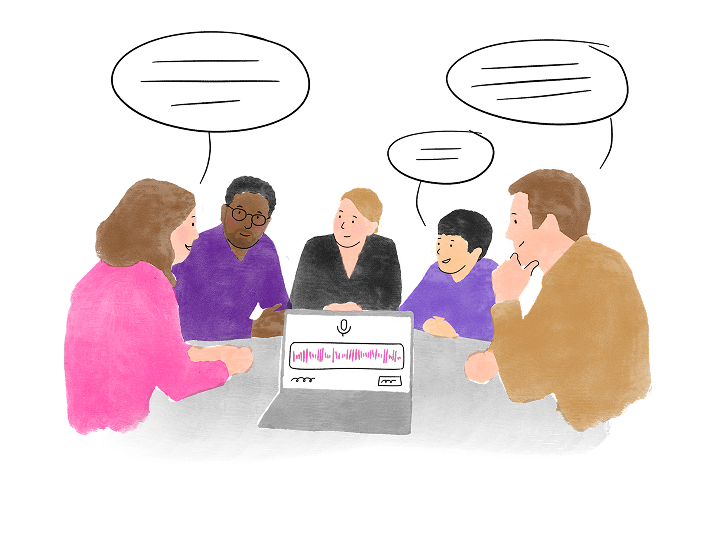
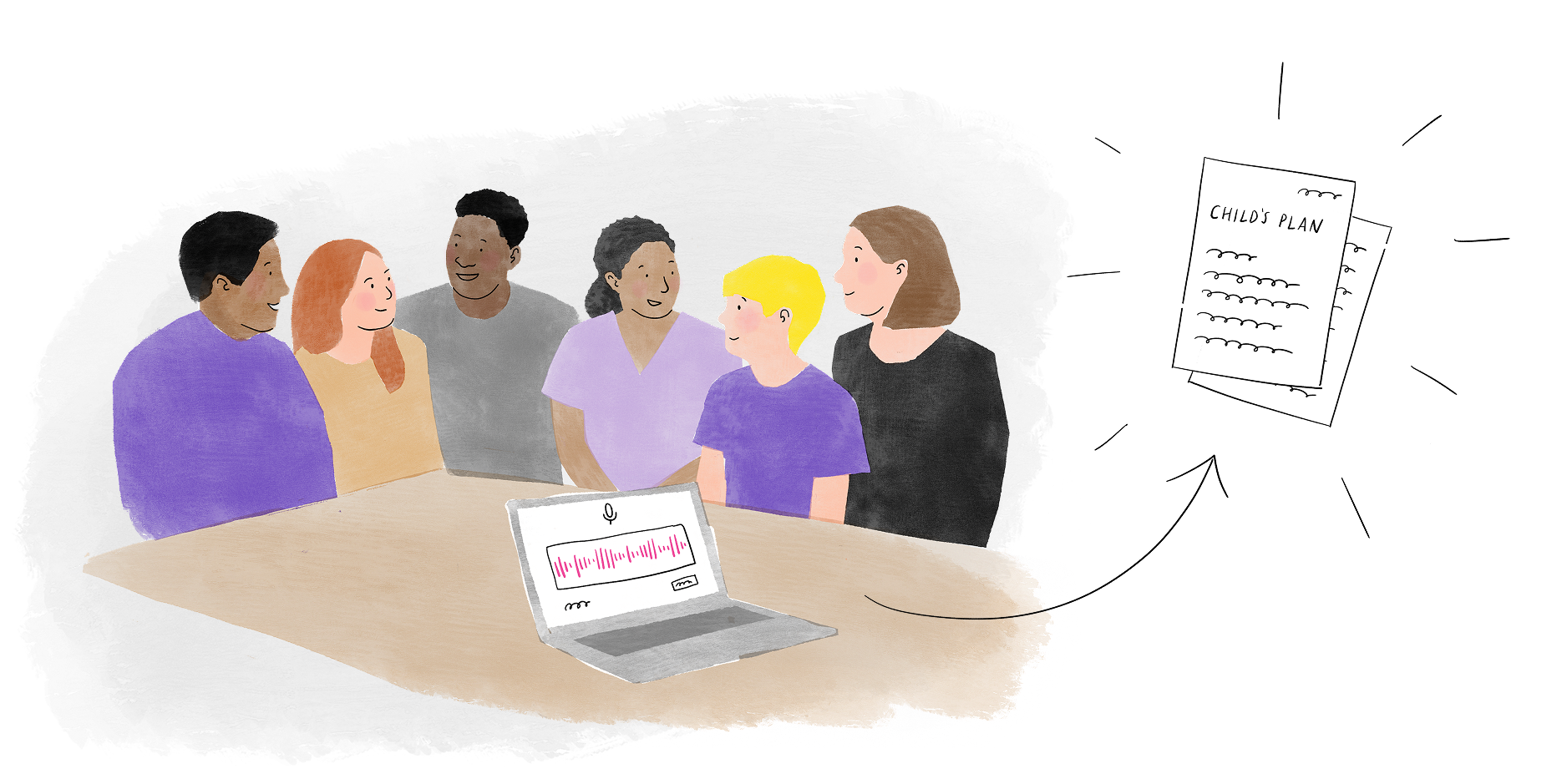
Using AI platforms such as Trellis means that, with permission, a meeting can be recorded and used to produce draft minutes and an initial plan. Staff then review, edit and approve the document. A Trellis teacher survey found an average saving of 57 minutes per meeting.
Saving time is only part of the benefit
While it is important to consider the number of administrative hours AI could save, the greater benefit is what SENCOs and teachers could do with that time.
It could mean being able to listen fully to a pupil rather than trying to take detailed notes at the same time. It could create more opportunities to discuss a parent’s concerns, observe support in the classroom, help teachers adapt their practice or monitor whether agreed actions have been completed.
The real value of AI technology
The real value is not simply that a document can be produced more quickly. It is that staff can be more present during meetings and spend less time typing up information afterwards. AI can help by capturing key information, organising it clearly and producing a consistent first draft. However, staff must remain responsible for checking the content, making decisions and ensuring that the plan reflects the pupil’s needs and views.
If the reforms result in more plans being added to already overstretched systems, SENCO workload is likely to become even less manageable. However, if schools use this opportunity to redesign their processes, supported by safe, specialist technology, AI may do something more valuable than produce documents. It may give SENCOs more time to be the strategic leaders of inclusion that schools need.

More from the blog
ISPs are coming. Can AI help you focus on pupils, not paperwork?
Using your Inclusive Mainstream Fund with Trellis

Get Trellis in your school this autumn - new trials in England