
ISPs are coming. Can AI help you focus on pupils, not paperwork?
What ISPs are and why they matter
Individual Support Plans (ISPs) sit at the heart of the government’s proposed SEND reforms. Under the current proposals, every child or young person with SEND would have a digital, living record of their barriers to learning, the provision and reasonable adjustments they require, and their intended outcomes.
Developed in partnership with children, young people and their families, ISPs would be reviewed at least annually, with their use and quality considered through inspection. The intention is clear: to make support more visible, consistent and transferable as children move between settings.
However, there is a significant challenge that should not be overlooked. Creating a genuine, workable plan for every pupil with SEND involves far more than an administrative compliance exercise. Each plan requires meaningful discussion between all involved, careful drafting, professional oversight, effective communication, implementation, monitoring and regular review.
When this cycle is repeated for every pupil on the SEN register - and involves pupils and families at the heart of the discussion, along with all the teachers and professionals responsible for delivering the agreed support - the scale of the task becomes clear. Introducing ISPs is therefore not simply an administrative change; it represents a substantial whole-school approach, underpinned by an inclusive culture.
A plan is not the provision
The key implementation question is not whether schools can produce these plans - they will. Schools are adept at meeting new requirements, and many have been successfully producing similar plans for pupils with SEND under the current system for years. The more important question is whether schools can create plans that genuinely improve pupils’ experiences and outcomes without taking disproportionate time and attention away from delivering the support itself.
The quality of an ISP cannot be judged by length, presentation or the number of boxes completed. A high-quality plan should place the voice of the child and family at its core. It should make the next action clearer, help a teacher understand the barrier, the adjustment or intervention, who will do what, and how the school will know whether it is helping.
Where AI can help, and where it shouldn’t
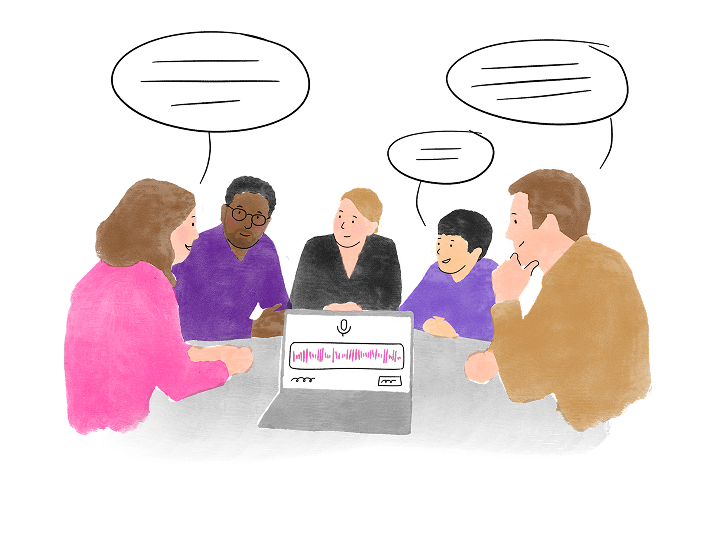
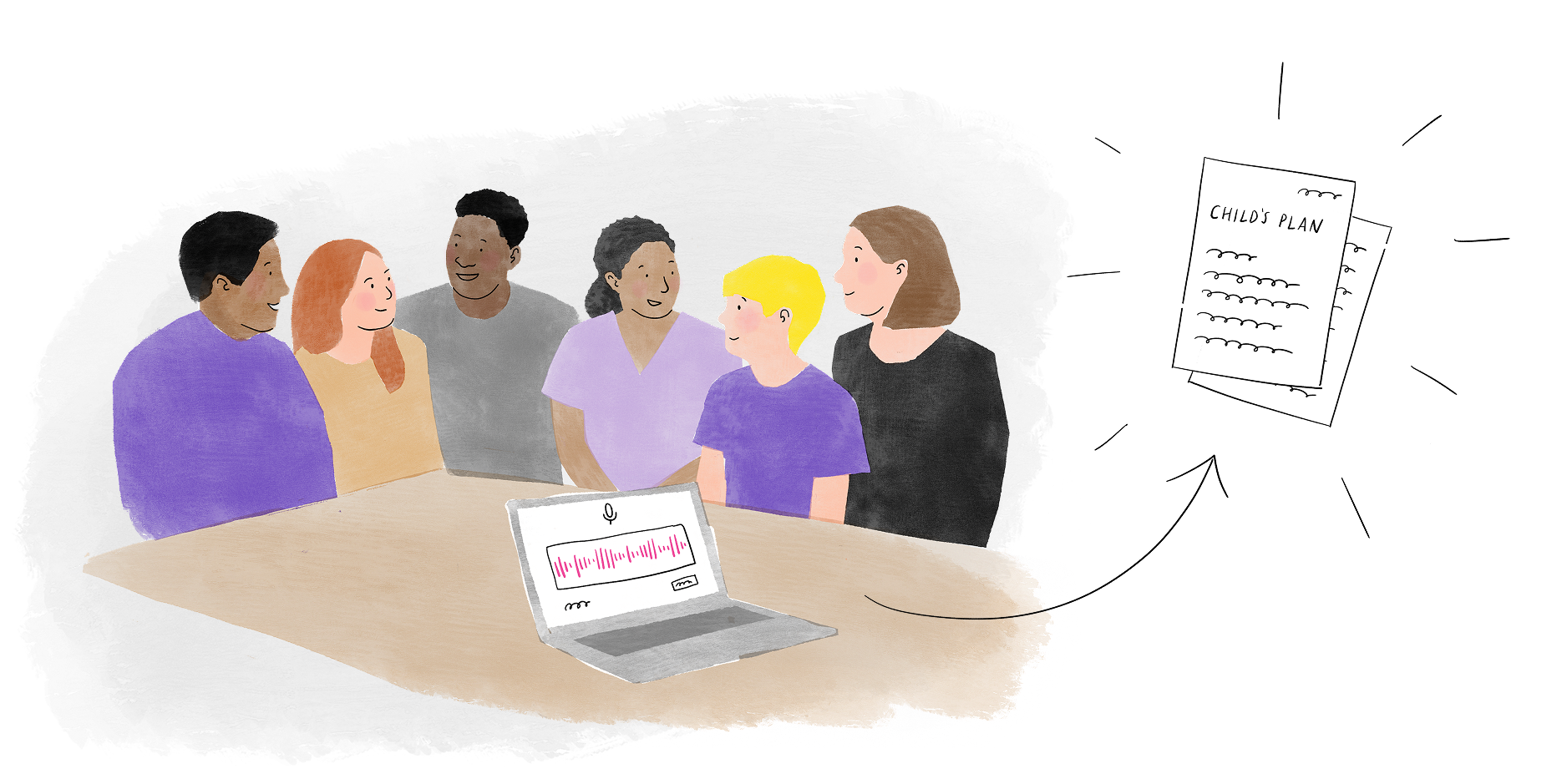
AI can help schools reduce the time spent turning meetings and discussions into clear, usable plans. Trellis, for example, can record a meeting - with everyone’s permission - and use the conversation to produce draft minutes and an initial plan. Staff and parents can then review, edit and improve the draft rather than starting with a blank page.
AI can also help organise information under consistent headings, summarise the contributions of pupils, families and professionals, and highlight details that may need further discussion. This can free up SENCOs and teachers to spend more time listening to families, supporting colleagues and checking that agreed provision is being delivered.
However, AI should support professional judgement rather than replace it. School staff must remain responsible for checking the accuracy of the plan, identifying priorities, agreeing suitable provision, setting meaningful outcomes and deciding who will carry out each action. They must also ensure that the views of the child or young person and their family are recorded accurately and used to inform the plan content.
The ISP has the potential to strengthen communication between families, schools and wider services. Used appropriately, AI can support this by bringing together contributions from meetings, producing a clear first draft and reducing the time staff spend on administration. However, both the technology and the plan must remain tools for improving provision rather than becoming ends in themselves.
--
Natalie Packer is a Independent SEND consultant and author of The Perfect SENCO. Former SENCO, primary head, and DfE SEN adviser.
See how Trellis turns a meeting into a draft ISP - book a demo or come and see a demo at TES SEND this Friday and Saturday.

More from the blog

Does AI offer more than just cutting write-up time?
Using your Inclusive Mainstream Fund with Trellis

Get Trellis in your school this autumn - new trials in England