
Response to the SEND White Paper: reducing the admin burden
We’ve spent the last year building software tool to help with Special Needs Administrators in Scotland. It is getting rave reviews. We frequently hear feedback like ‘It’s changing my life’ or ‘It’s allowing me to be the sort of teacher I want to be’.
The SEND White Paper in England introduces changes that move English SEND provision in the Scottish direction. The proposed Individual Support Plan in England has many similarities with the Child’s Plan in Scotland.
1. The need to Balance Data Depth with Admin Burden (Avoiding "Field Creep")
We analysed 17 localised variations of the Child’s Plan (all originating from the same national guidance). We discovered a massive proliferation of data requirements: across these 17 forms, there were 272 distinct fields.
Critically, 111 of these fields appeared only once. While an educational or clinical justification could be made for every single field, the vast majority were not strictly necessary to support the child. Only 9 fields appeared more than 75% of the time.
The key challenge for the DfE is establishing a standard ISP that avoids two extremes:
* Under-structuring: Many SENDCos find existing market tools (such as standard pupil profiles) insufficient because they fail to capture enough qualitative, actionable detail.
* Over-engineering: Every additional data field exponentially increases the administrative burden on SENDCos who must locate, input, and maintain that data.
Our research in Scotland found the commonly used fields across the 17 Child's Plans, and that is an empirical way to determine what information genuinely need capturing.
2. A Shared Rubric (Agreeing "What Good Looks Like")
Standardising data fields is only half the challenge. For data standards to be truly effective, there must be a common rubric for evaluating the content submitted to these fields.
A robust data standard must clearly define:
* What constitutes a high-quality entry?
* What level of detail is optimal? (and what is superfluous?)
* How can multi-agency inputs be synthesised consistently?
In Scotland,we had to work backward: interviewing scores of ASN Leads (the Scottish equivalent of SENDCos) and senior educators to retrospectively map out the rubric they seem to be working to. For England’s upcoming digital ISP, the DfE has the opportunity to work forward. Defining "what good looks like" prior to system implementation will ease the training burden on educators and provide unambiguous guardrails for AI and software developers building compliant tools.
A good rubric will balance the surprising number of competing priorities for a form like this.
We've done dozens of workshops on this topic, and would love to share our learnings.
The role of responsible AI
The consultation mentions the role of AI in reducing workload. At Trellis, we have brought about this impact already. In an initial pilot, we are saving Scottish educators an average of 50–55 minutes per meeting. Documentation that used to take 90 minutes following a meeting, now takes half an hour or less with Trellis.
Our philosophy of treating AI as an “intern, not a god” seems to work well in education. AI acts as a supervised assistant while the teacher remains the human in command. It’s imperative that AI tools are not just handed to teachers, but are accompanied by UX that provides guardrails and systematic evaluation that guards against overconfidence. AI is always articulate even when it is wrong.
We see an unhelpful trend of schools patching together solutions using consumer tools like ChatGPT. This introduces significant risks regarding data protection, hallucination and bias. As the English sector moves toward digital ISPs, we'd encourage educators to use tools built specifically for the high-stakes environment of a school: tools that are appropriately tested, evaluated and built in concert with the people using them.
Focus on the true goal
The SEND reforms are a moral mission. But we cannot ask SENDCos to be more inclusive while their heads are buried in 20-page forms.
We must create an environment where documentation is a byproduct of a good process, not the process itself. By automating the clerical tasks and returning the focus to the child, we can ensure that teachers are more present and act on support plans within hours rather than weeks.
We look forward to sharing more evidence and pilot results with the Department for Education to help build a digital SEND system that puts children first.

More resources
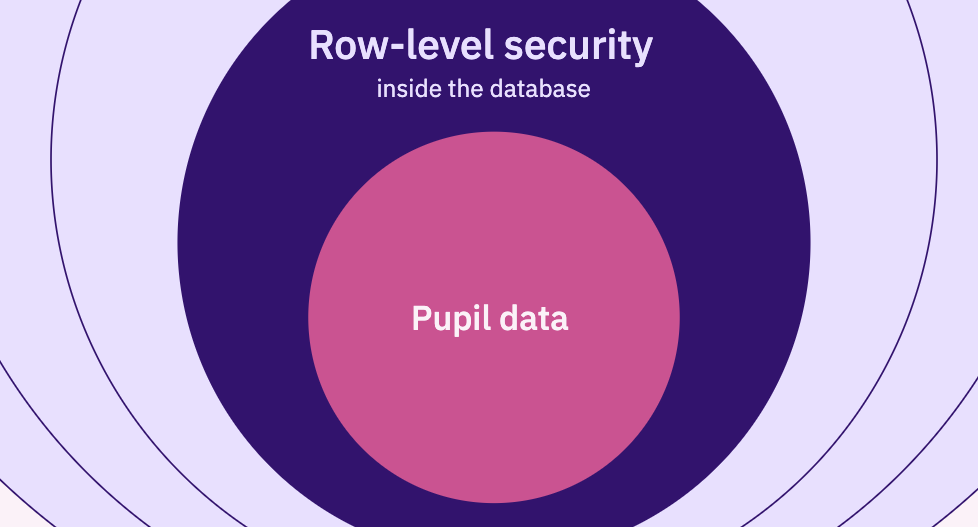
How Trellis protects pupil data
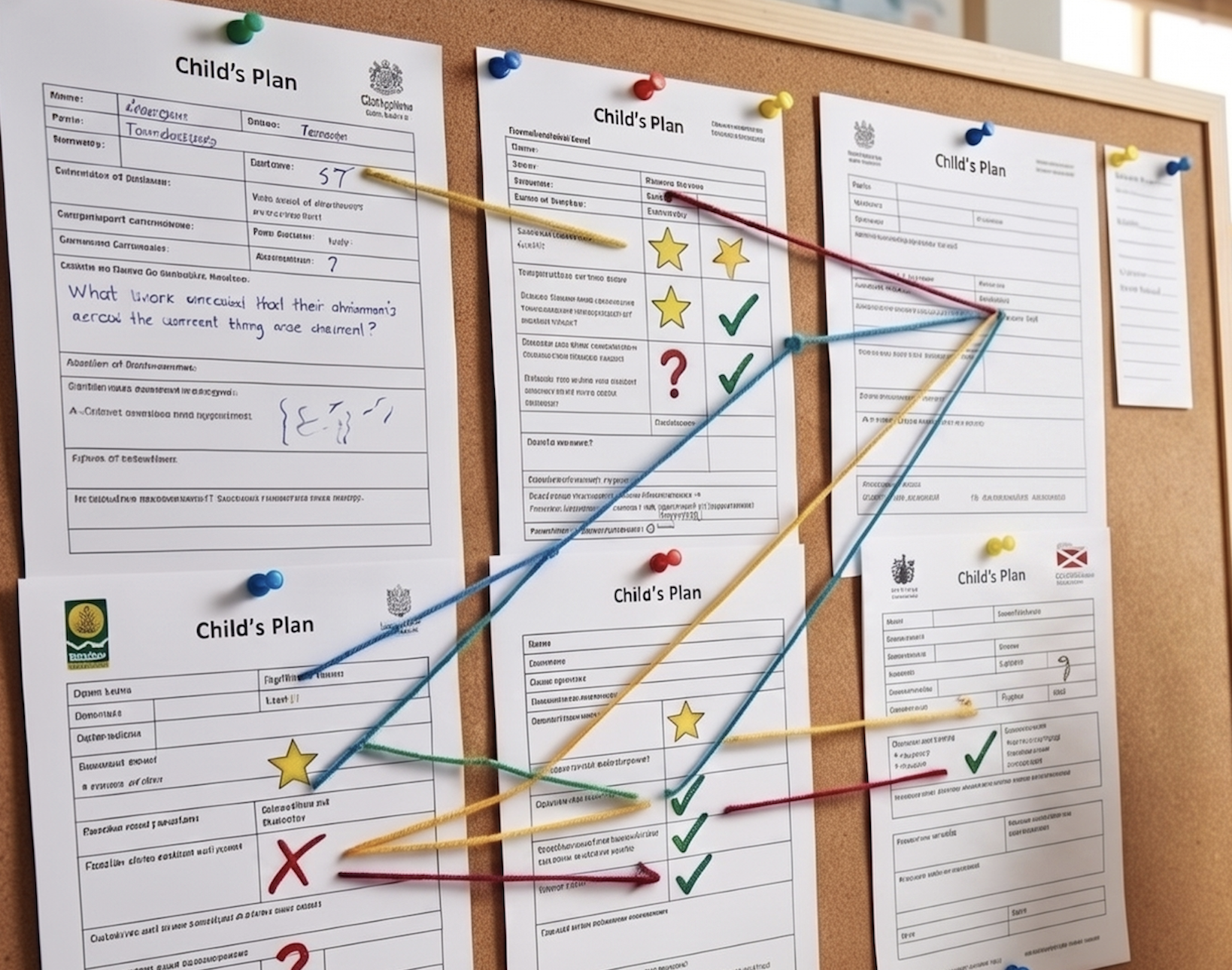
270 Fields and Counting: Finding the Essence in Scotland's Varied Child’s Plans

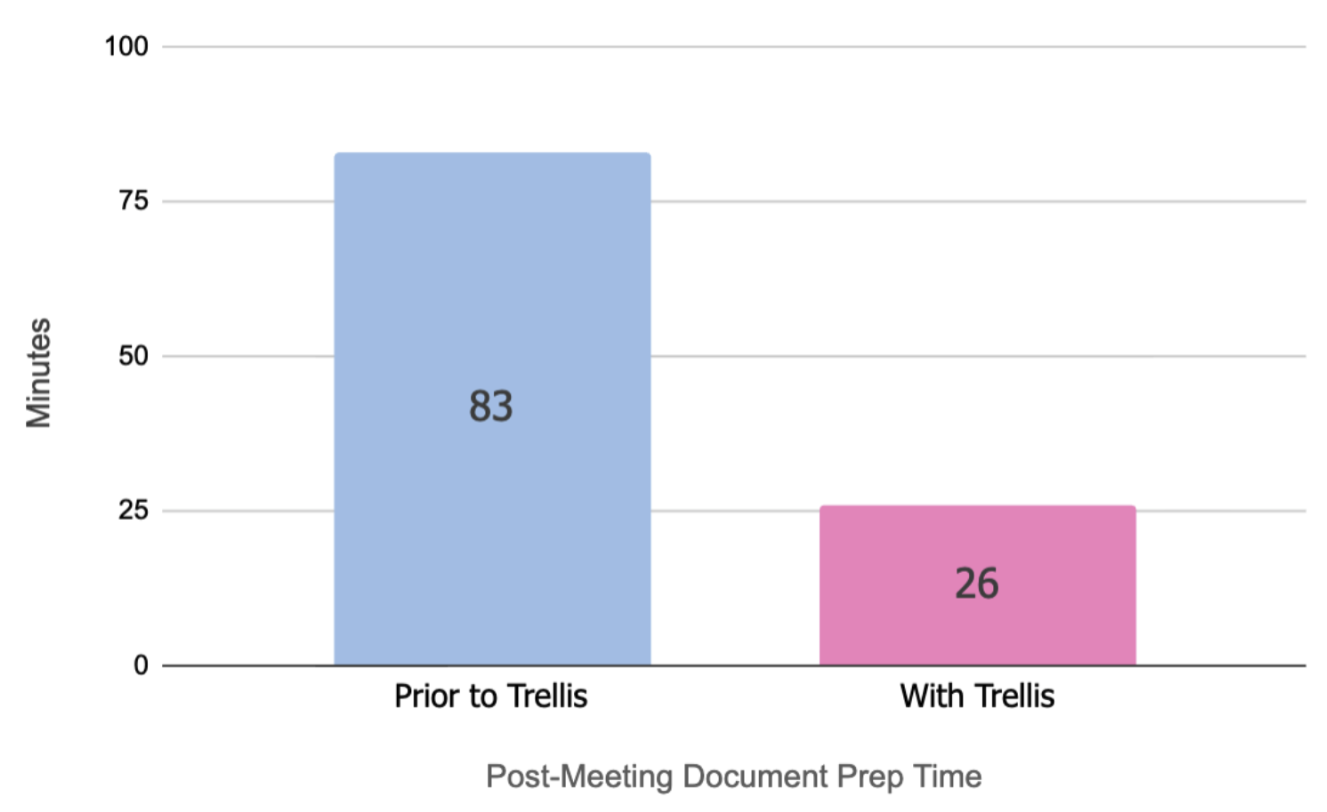
Teacher Survey results


© Trellis Education Ltd. 2026 | Company no. 16500654
