
Can AI help make ISPs fit for the classroom?

Individual Support Plans must make responsibility clearer at the point where provision is delivered: the classroom.
The accountability shift
The SEND reform consultation is explicit that settings will be accountable for delivering educational provision, with ISPs setting out the tailored day-to-day support each pupil receives. However, an ISP cannot be treated as a document “owned” by the SENCO and stored somewhere for assurance purposes. The SENCO may coordinate the system, but classroom teachers and other staff deliver much of the provision and will be accountable.
What teachers actually need
Teachers do not need another long profile containing everything ever known about a pupil. They need a concise account of current barriers, strengths, adjustments and priorities that connects directly to teaching. They need to know what is universal, what is additional, what success looks like and when to seek further advice.
This aligns with the EEF’s Guide to Inclusive Teaching, which combines strong universal classroom approaches with adaptations and additional support. The two parts belong together. An ISP should not become a substitute curriculum or a collection of interventions detached from teaching; it should help staff make the universal offer more responsive and specify what needs to be different or additional.
A shared process, not another job for the SENCO
Creating and reviewing an ISP should be a shared responsibility.
- Children and families bring important knowledge about their experiences, needs and priorities.
- Class and subject teachers provide evidence about learning and what is happening in the classroom.
- The SENCO helps everyone understand the information, improve the quality of the plan and coordinate support.
- School leaders must ensure that staff have the time, resources and clear responsibilities needed to make the process work.
- External professionals can contribute specialist advice, which should be turned into practical actions that staff can use in school.
ISPs: Fit for purpose
Leaders should expect the ISP to answer five important questions:
- Can the pupil and family see their views and priorities reflected in the plan?
- Does the teacher know what they need to do in the classroom?
- Is it clear who is responsible for each action?
- Can the support realistically be delivered with the time and resources available?
- Is it clear when and how the impact of the support will be monitored and reviewed?
These questions help leaders look beyond whether every section of the plan has been completed. When reviewing the quality of ISPs, leaders should compare what is written in the plan with what pupils, families and staff understand, and with what is actually happening in classrooms.
How technology can make sharing easier and support more joined up
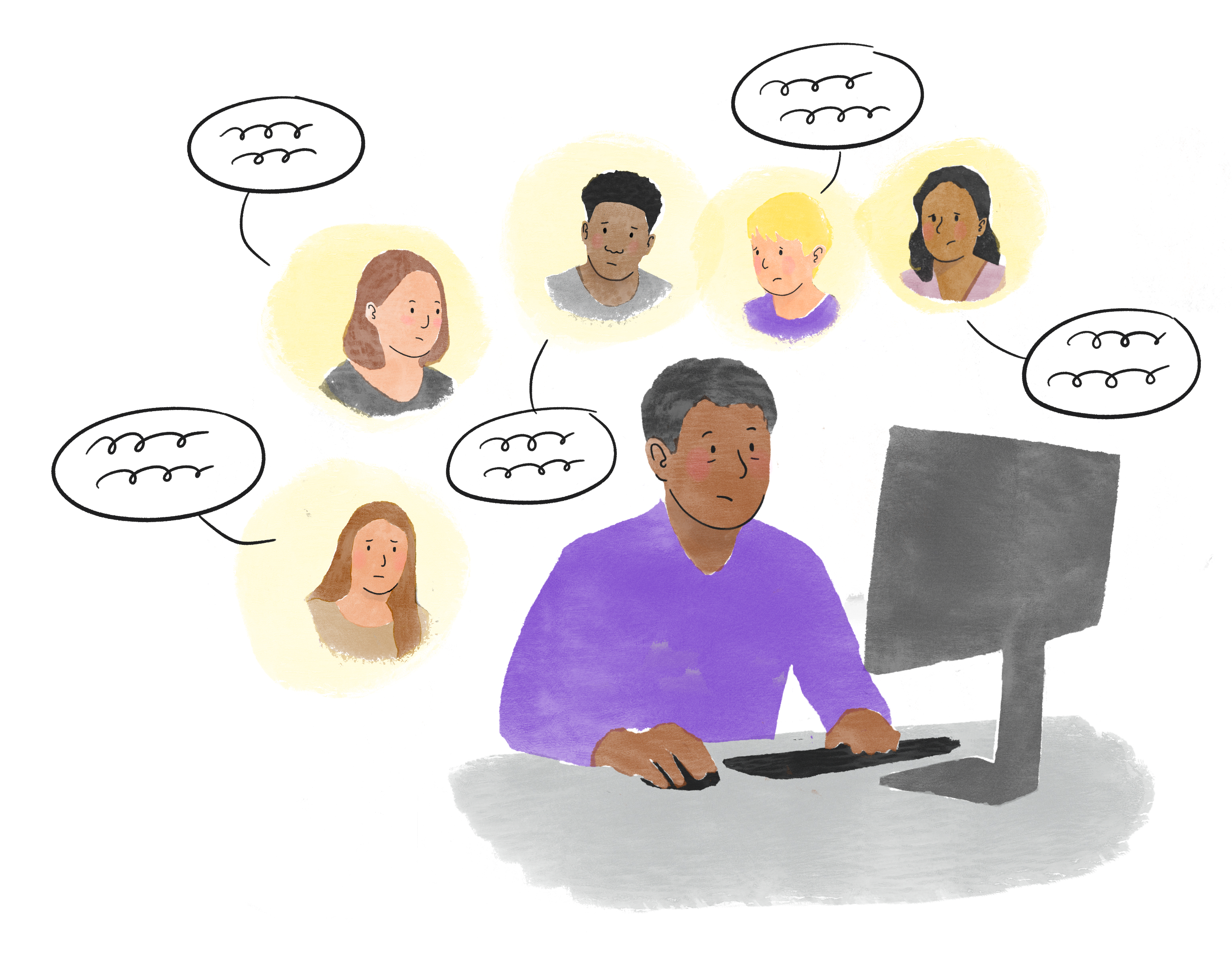
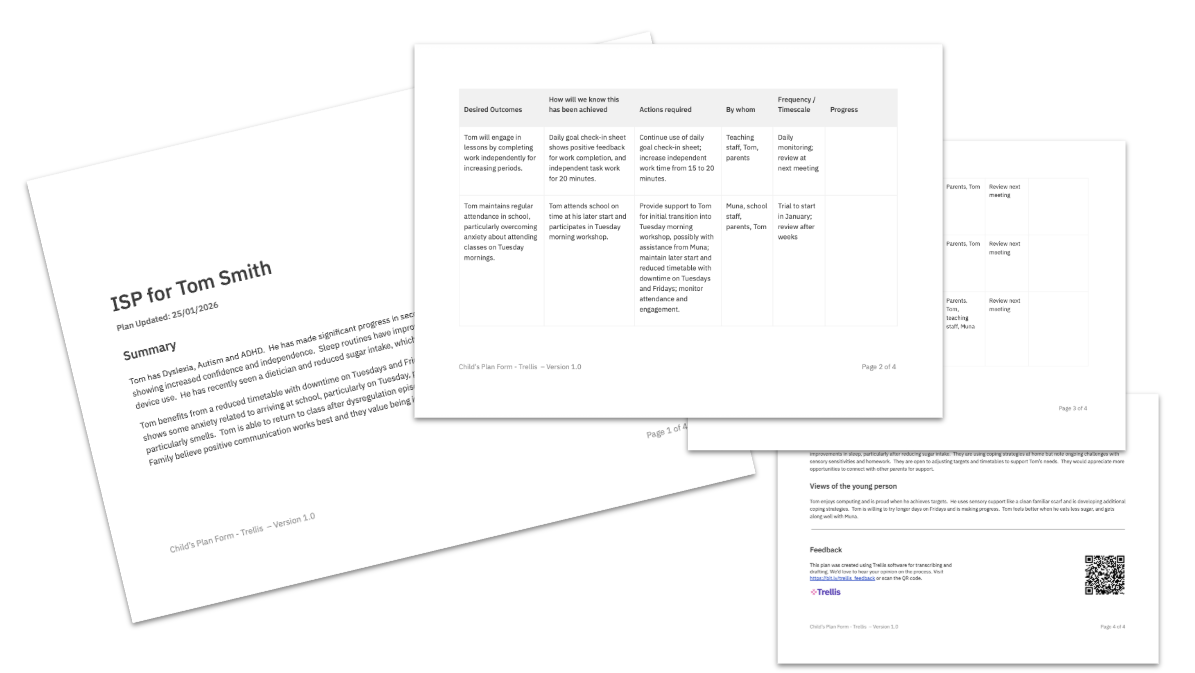
Trellis, for example, can capture the discussion during a meeting and draft minutes and plan content for the teacher or SENCO to review, amend and approve. Used carefully, AI can make agreed actions clearer and reduce the time spent writing up meetings. It can also help prevent the whole planning process from falling to the SENCO, or simply to the person who is quickest at producing the paperwork.
It can organise information under consistent headings, summarise the contributions of pupils, families and professionals, and highlight details that may need further discussion. This means the whole team can have accurate and consistent records where every voice is represented.
These become a living record for the child and mean that everyone is involved and everyone knows what’s been discussed, decided, and actioned.
Natalie Packer is a SEND expert and author of The Perfect SENCO. Former SENCO, primary head, and DfE SEN adviser.
More from the blog
From meeting minutes to joined-up support: can AI improve multi-agency working?
Example Trellis Output Documents

Does AI offer more than just cutting write-up time?