
From meeting minutes to joined-up support: can AI improve multi-agency working?
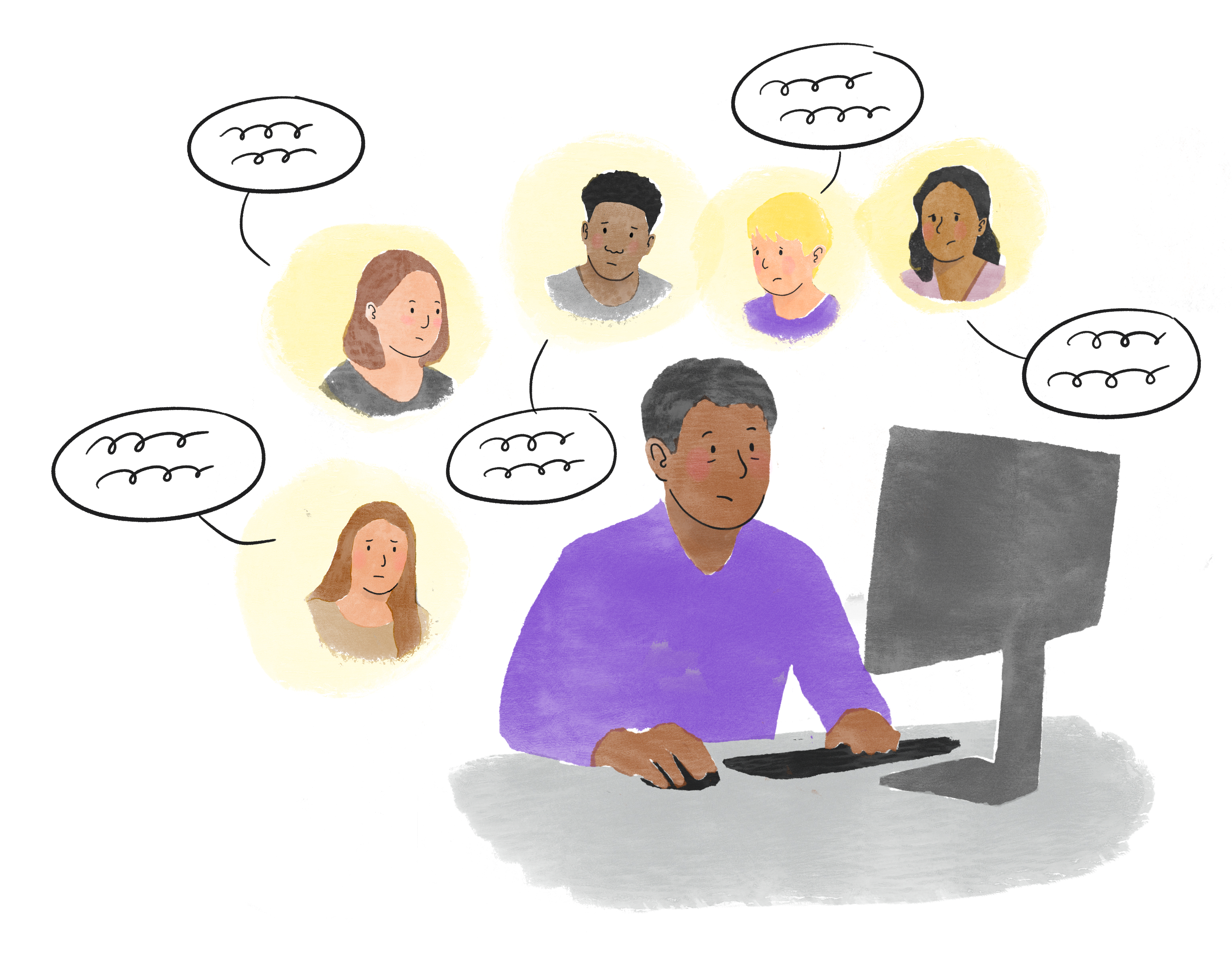
AI could help turn a good discussion into clear, coordinated action, provided that responsibility remains with the people supporting the child.
The meeting is only the beginning
Team-around-the-child meetings bring together a range of valuable perspectives. Pupils can share their experiences, families can explain their priorities, teachers can contribute evidence about learning and participation, and specialists can offer professional advice.
As plans for the Experts at Hand service develop through the SEND reforms, schools should gain easier access to professionals such as educational psychologists, specialist teachers and speech and language therapists. Their involvement in meetings will be crucial in helping schools understand pupils’ needs and translate specialist advice into practical, coordinated support.
However, the meeting will only make a difference if the discussion leads to action. Someone must write an accurate record, identify what has been agreed, make clear who is responsible for each action, share the information safely and update the pupil’s plan. When this takes too long, or when actions and responsibilities are unclear, valuable advice may never reach the classroom. In some cases, writing up and following up a meeting can take longer than the meeting itself.
Keeping information together
The proposed ISP is intended to be a digital document that changes as the pupil’s needs and provision change. It should be developed with the pupil and family and other professionals, where appropriate, and provide useful information when the pupil moves between classes, schools or other settings. This offers an opportunity to bring important information together and reduce the need for staff to copy the same details into several documents.
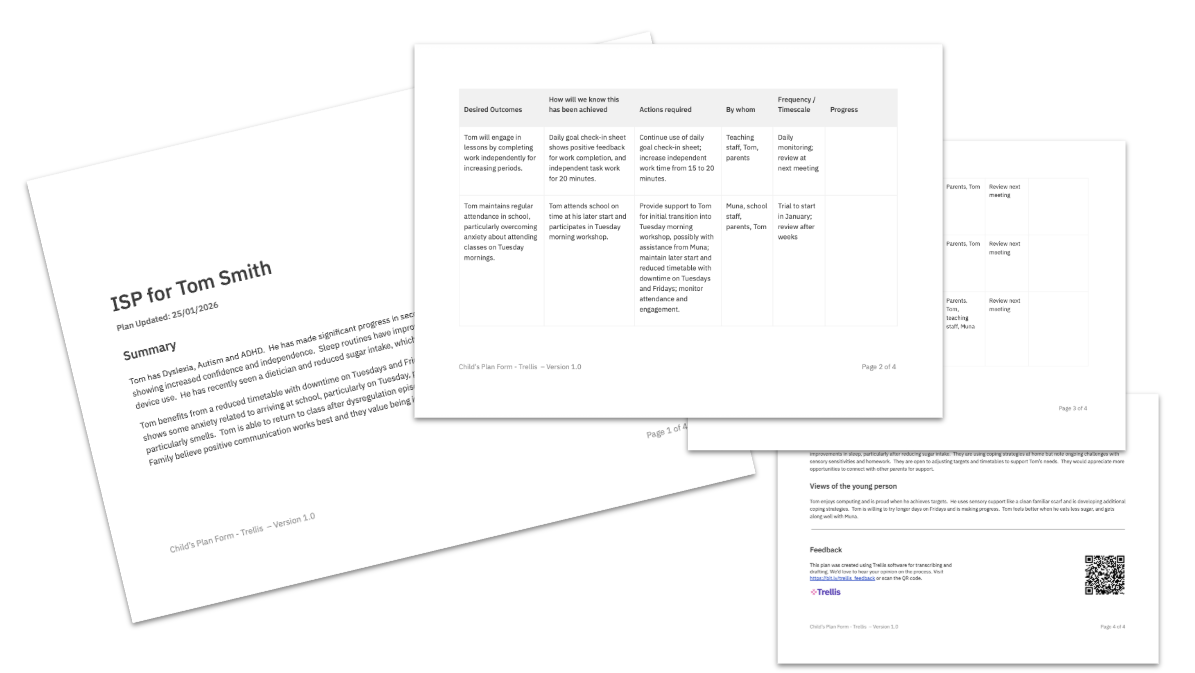
AI platforms such as Trellis can support the process by recording a meeting then producing draft minutes and a plan for staff to check, edit and approve. The benefit is not simply that meeting notes can be written more quickly. It can also help ensure that agreed actions are recorded clearly and shared sooner with the people responsible for putting them into practice.
Turning professional advice into practical action
Specialist advice must then be translated into practical support. The people who know and support the pupil must decide what the advice will look like in the classroom, whether it is realistic within the school day and who will be responsible for delivering it. AI can help organise the information, but it cannot make these decisions on behalf of professionals.
Schools can strengthen multi-agency working and turn professional advice into practice by ensuring that:
- everyone knows where to find the current version of the plan;
- each action has a named person or role responsible for it;
- reviews focus on whether the agreed support is making a difference; and
- pupils and families can correct information or raise concerns about what has been recorded.
Leaders should also check what happens between meetings. How quickly are draft plans reviewed and shared? Do teachers receive the advice they need? Can external professionals see how their recommendations have been used? Does the next meeting begin by considering what was agreed previously and whether it happened?
These questions help schools move beyond simply recording a meeting towards ensuring that the meeting leads to better support from everyone involved.
Less paperwork, more time to work together
Schools do not need AI to create the appearance of collaboration. They need it to reduce the avoidable paperwork that can get in the way of genuine collaboration. The purpose of producing a first draft more quickly is not simply to file the document sooner. It is to give professionals more time to listen, ask questions, clarify concerns and follow up agreed actions that make a meaningful difference to the child. This sits at the heart of the SEND reforms.
Natalie Packer is a SEND expert and author of The Perfect SENCO. Former SENCO, primary head, and DfE SEN adviser.
More from the blog
Can AI help make ISPs fit for the classroom?
Example Trellis Output Documents

Does AI offer more than just cutting write-up time?